DDOS
PEERING
RESILIENCE
Saint-Pierre and Miquelon: a single cable to Canada was enough to paralyse an entire French archipelago
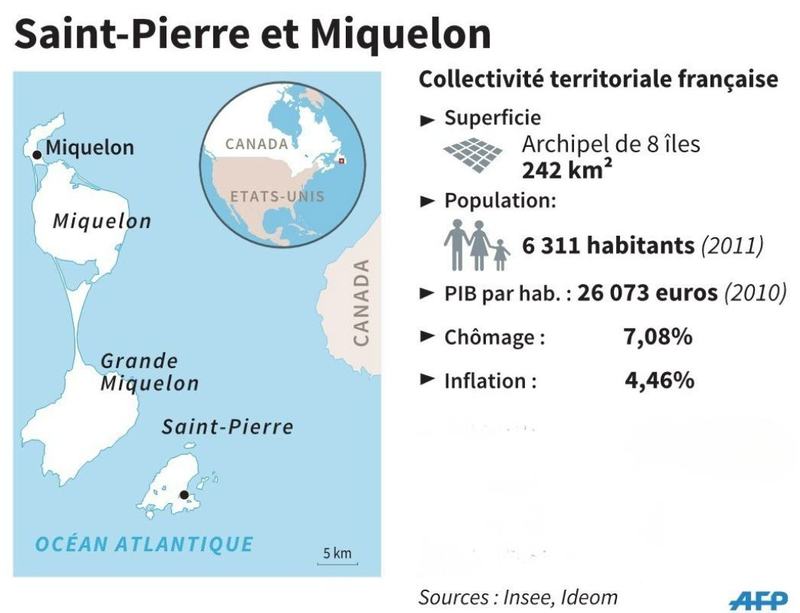

A single cable to Canada was enough to paralyse an entire French archipelago. Payments, hospital, public administration: everything went down at the same time.
Do you know what happens when the Internet really stops? Saint-Pierre and Miquelon became a life-size mini-laboratory.
On 12 March 2026, customers of SPM Telecom (the archipelago’s incumbent operator) lost Internet access: payment terminals stopped working, the health centre could no longer access patient records or X-rays…
All shops and public services faced a general paralysis.
The cause: a DDoS attack hit infrastructure located in Canada.
Canadian protection systems reacted, blocking so much traffic that the flow heading to Saint-Pierre and Miquelon was cut off.
Globaltel, the archipelago’s second operator, which uses different routing, was barely affected.
It all came down to an architecture decision: which way do you route the traffic? And do you keep part of it local?
Carrying, storing and processing data as close as possible, multiplying paths, reducing dependence on a single node at the far end of a transatlantic cable. This is precisely what peering exists to prevent.
Illustration: AFP infographic, sources Insee and Ideom (image from the post)
This news was first published on LinkedIn. To comment or share it, head to the original post. → See the post