CYBERSECURITY
NETWORK EQUIPMENT
SOVEREIGNTY
Backdoors alleged by Iran, cyber operations confirmed by the United States: do you really control what goes in and out of your network infrastructure?
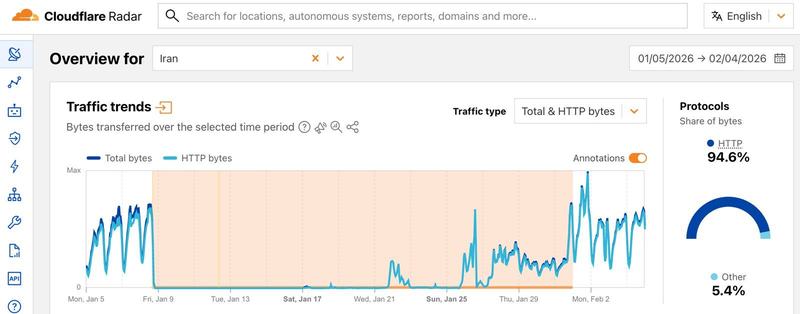

Iran alleges that backdoors in American equipment were activated. The United States confirms cyber operations. Between the two, a question that concerns us directly: do you really control what goes in and out of your network infrastructure?
First of all, a word of caution is in order: in times of conflict, lies and exaggerations circulate on both sides. What follows should be read through that lens.
According to the Fars News agency, network equipment from Cisco, Juniper, Fortinet and MikroTik allegedly rebooted or stopped working simultaneously during the American strikes on the province of Isfahan. The Iranian hypothesis rests on the activation of malicious code lying dormant in the firmware.
On the American side, no direct response on the backdoors. But General Dan Caine confirmed during a briefing at the Pentagon that Cyber Command and Space Command had been the “first movers” in Operation Epic Fury, disrupting Iranian communication networks ahead of the strikes.
A very real two-way cyberwar, but with a thick fog over the technical details.
What makes these allegations hard to dismiss entirely is their historical context.
Equipment from each of the four manufacturers named has been involved in documented security incidents:
Whether the alleged backdoors are real or not, the question they raise is legitimate: what happens when the network equipment you use is designed, manufactured and maintained by players subject to foreign jurisdictions? Do you really control what goes in and out of your infrastructure?
There is no silver bullet against this kind of risk. But there is an approach: diversify platforms, multiply paths, reduce dependence on a single technology stack. That is exactly our premise at France-IX.
This news was first published on LinkedIn. To comment or share it, head to the original post. → See the post