EUROSTACK
DIGITAL SOVEREIGNTY
INTERCONNECTION
Cory Doctorow and the EuroStack: without a sovereign Internet exchange point, Europe’s dependence persists
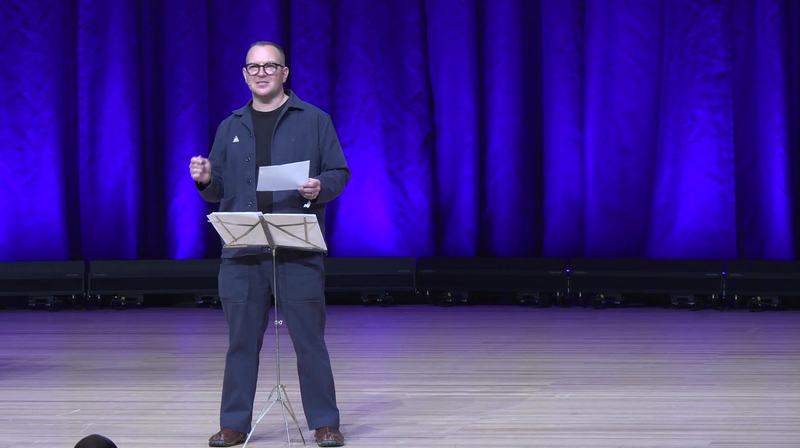

In 2022, the invasion of Ukraine achieved in 18 months what 15 years of lobbying had failed to shift on energy. The same window is opening today for the Internet.
Cory Doctorow demonstrated it point by point at the Chaos Communication Congress.
For 30 years, the United States used trade agreements as leverage to impose its Internet rules on the rest of the world.
The DMCA, anti-circumvention laws, intellectual property clauses… Issues negotiated under the threat of tariffs, and Europe had no choice but to accept.
Except that this leverage has just disappeared: Trump imposes and withdraws his tariffs on a whim, with no regard for the concessions made.
The rules of the game are no longer reliable, which makes the pressure kept on Europe obsolete.
For Doctorow, this is an opportunity to seize. In particular, he calls for building a EuroStack around free software, European data centres and interoperability.
In principle, it is a good idea, but a EuroStack without a sovereign Internet exchange point is a bit like a house without foundations.
If European traffic keeps transiting through uncontrolled routes and non-European submarine cables, the dependence persists, whatever the software.
There is no shortage of examples to understand what this dependence costs:
What is encouraging is the coalition taking shape around one stake: taking back control of the infrastructure.
Doctorow identifies three converging groups: digital rights activists, European entrepreneurs who want to capture the margins hoarded by Big Tech, and national security officials.
What makes France-IX relevant to this debate is its neutral infrastructure, independent of Big Tech, which concretely reduces dependence on non-European Internet routes.
This news was first published on LinkedIn. To comment or share it, head to the original post. → See the post